
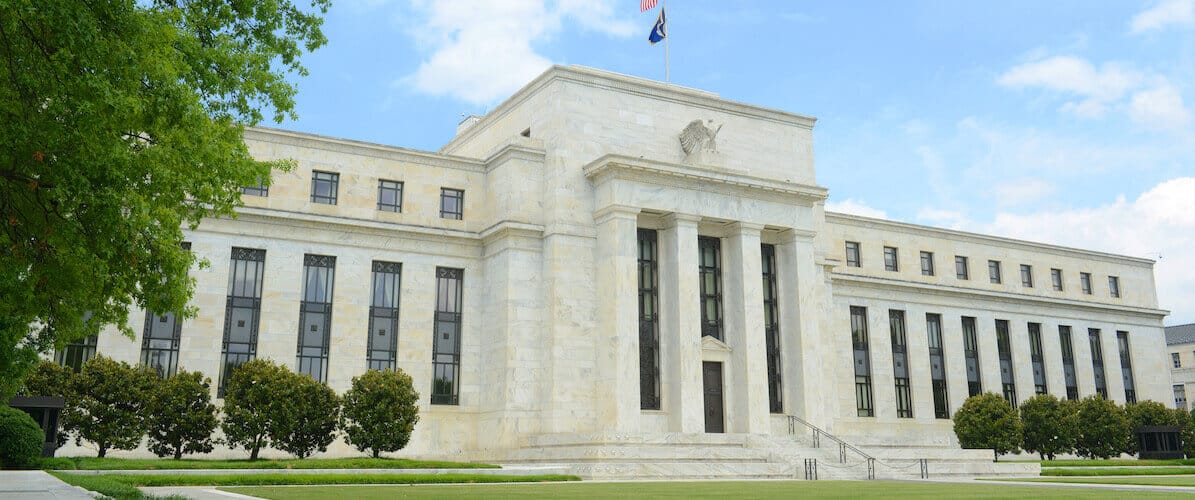
Oil prices jumped after fresh strikes in Iran, and Treasury yields followed suit. The 10‑year Treasury rate is close to 4.60% and the long‑term bond is near 5.10%. Those numbers are close to the highest we have seen this cycle, making investors rethink their choices.
Higher rates are not new. After a brief dip in May, rates have mostly moved higher since February. The debate now is whether the Fed will pause while yields keep climbing.
The Trend Is Hard to Ignore
On the market summary page, the Bonds section shows a quick view of the Treasury curve and the Fed Funds rate. At the bottom, the spread between the 10‑year and 2‑year yields helps traders see how flat the curve is becoming.
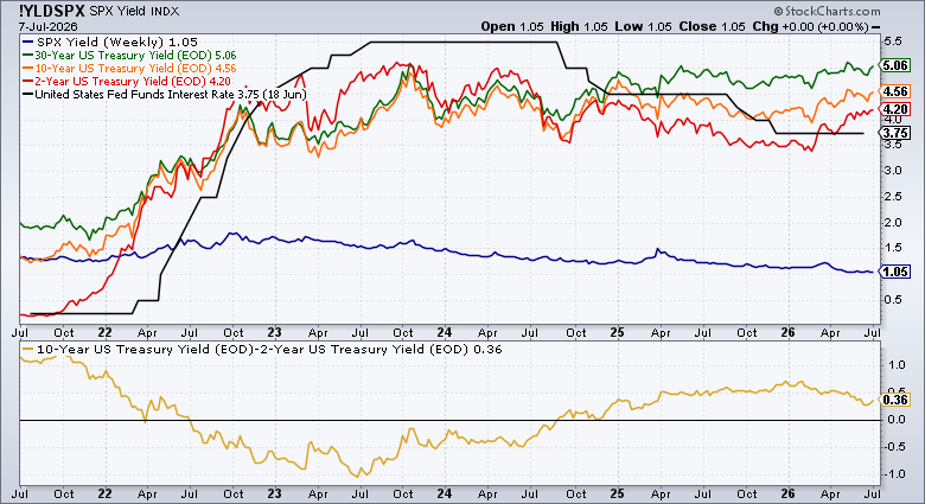
A quick look at this chart shows a steady rise in rates that surprised many. Even after strong comments from officials, the overall trend stays up when we zoom out over several years.
When Treasury yields climb, almost every other asset class pays attention.
Volatility Is Calm, But Yields Keep Climbing
Rate volatility, measured by the MOVE index, has stayed low since February and is far below its March peak. This means daily moves are only a few basis points.
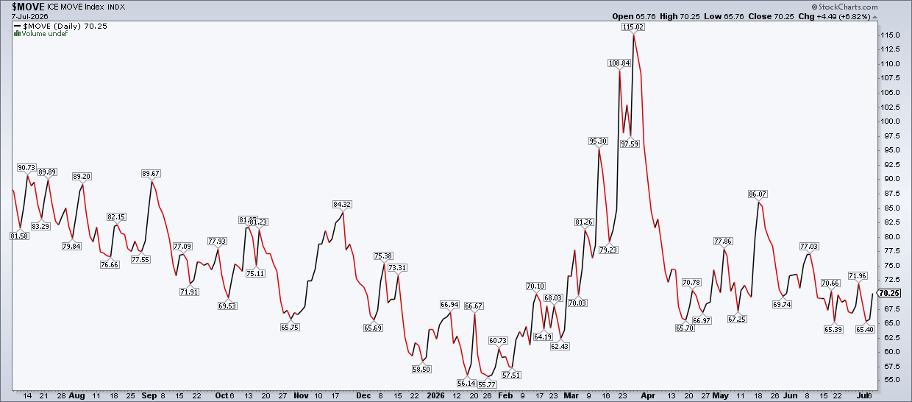
Even with modest volatility, yields can still creep upward, especially if oil prices bounce back. Higher yields squeeze the equity risk premium, making stocks less attractive.
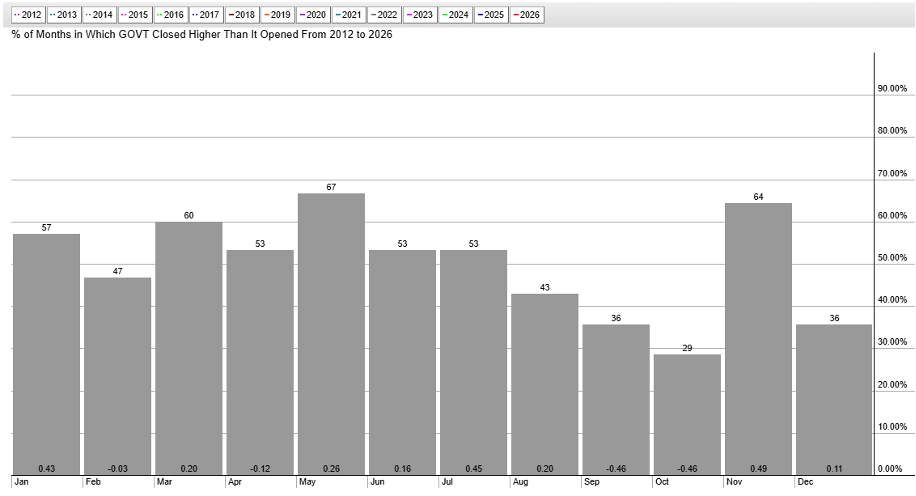
In the short term, government bonds often do well. The iShares Core US Treasury Bond ETF (GOVT) usually gains in July and August, but remember that price action beats seasonality.
A Key Level to Watch
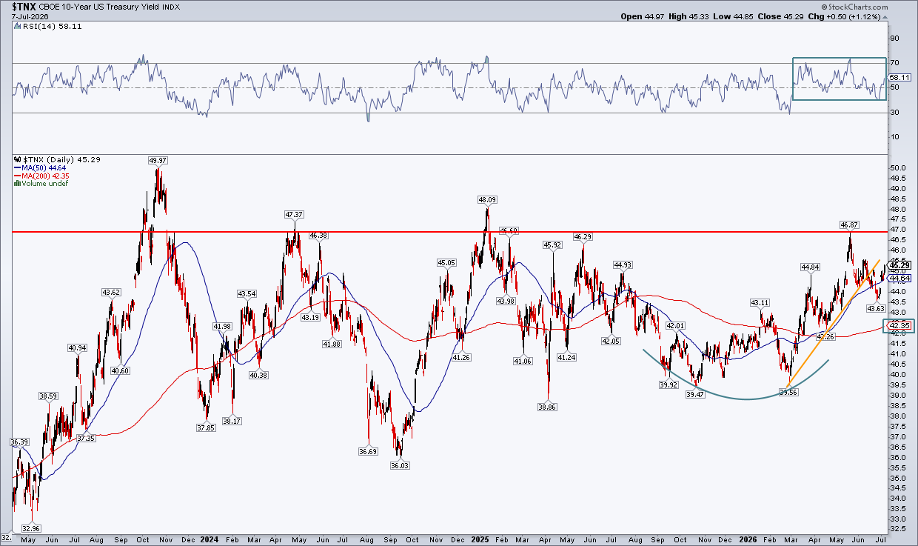
The most important chart is the 10‑year yield. The 200‑day moving average is still rising, and the RSI stays in a positive zone. The rate recently fell a bit but is now back above its June high.
Watch the 4.56% level. If the yield climbs above that, the next focus could be the 2026 peak of about 4.69%.
Will Stocks Feel the Heat?
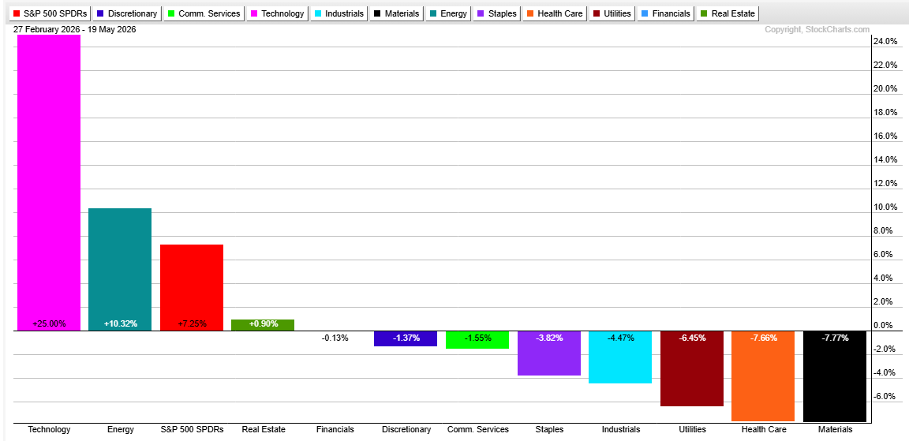
So far, the stock market hasn’t dropped as much as it did during the last bond sell‑off. Sectors like utilities, materials, consumer staples, and health care were hit hardest earlier this year.
If the AI trade stays under pressure, traditional “risk‑off” sectors may start to fall, especially if bond bears stay strong in the third quarter.
The Bottom Line
Treasury yields are climbing again. Optimism about the Strait of Hormuz helped lower the 10‑year rate in June, but new geopolitical worries are pushing it back up.
Keep an eye on the 4.56% level on the 10‑year Treasury. A battle between bulls and bears could shape the summer market.
Disclaimer: This article is for educational purposes only and does not constitute financial advice.
Source: Materials provided by https://articles.stockcharts.com.Note: Content may be edited for style and length.