

Do you feel you missed the big rally in huge tech names? Many people think the same.
While most traders watch fast‑moving tech stocks, big institutions are quietly moving money into industrial and small‑cap companies. Those stocks are starting clear, strong breakouts.
Why Look at Small Caps?
When smart money shifts to smaller companies, the market becomes broader. This gives everyday traders chances to buy stocks that are still cheap but ready to rise.
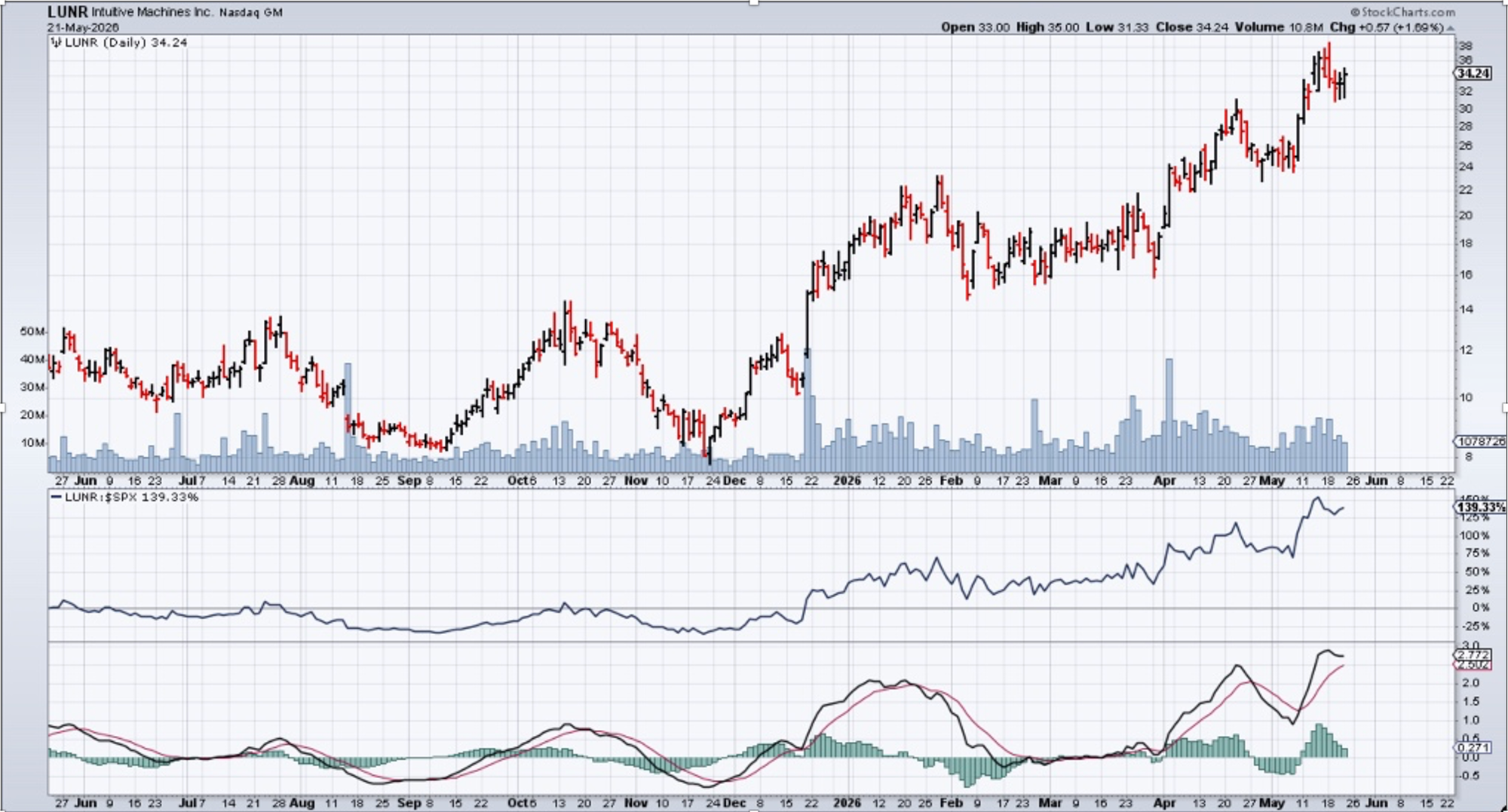
One stock that fits this picture is Intuitive Machines (LUNR). Its chart is moving higher, its options are liquid, and it can be traded with a simple bull call spread.
The LUNR Bull Call Spread
- Strategy: Bull Call Spread
- Expiration: July 17, 2026 (about 56 days)
- Strikes: $34 call bought, $55 call sold
- Maximum Cost: $2,300
- Maximum Gain: $8,200
Risking $2,300 could bring back $8,200 – a very good reward for the risk taken.
How to Find a Trade Like This in 60 Seconds
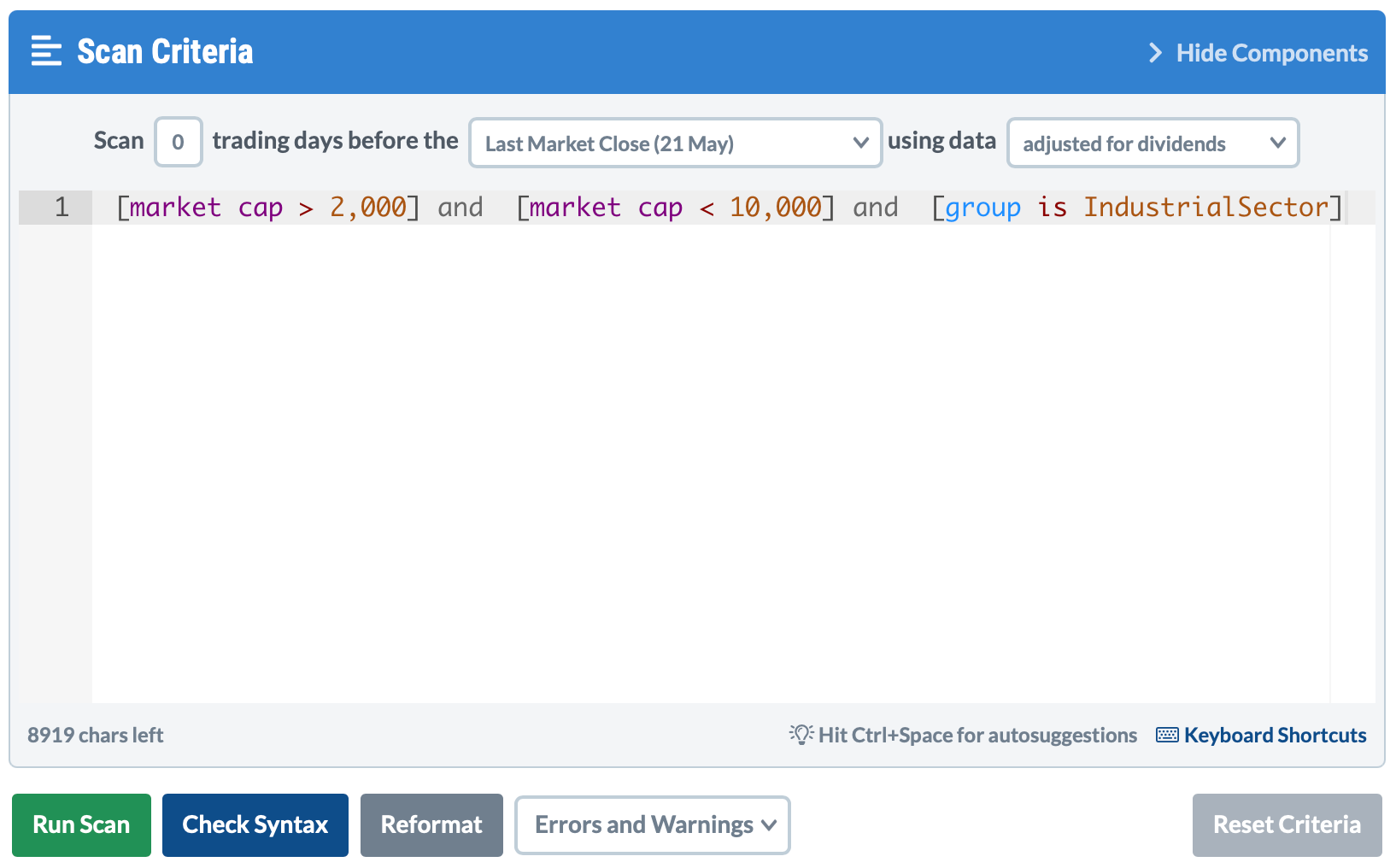
Step 1 – Scan the Market
Run a simple screen that looks for small‑cap and industrial stocks. The scan returns a short list of candidates.
Step 2 – Choose a Defined‑Risk Strategy
Set the tool to look for “Bull Call Spreads” with a 60‑day horizon and a balanced risk profile.
Step 3 – Let the Software Rank the Choices
The platform automatically checks each stock’s options chain for liquidity, calculates Greeks, and orders the list by the best risk‑to‑reward numbers.
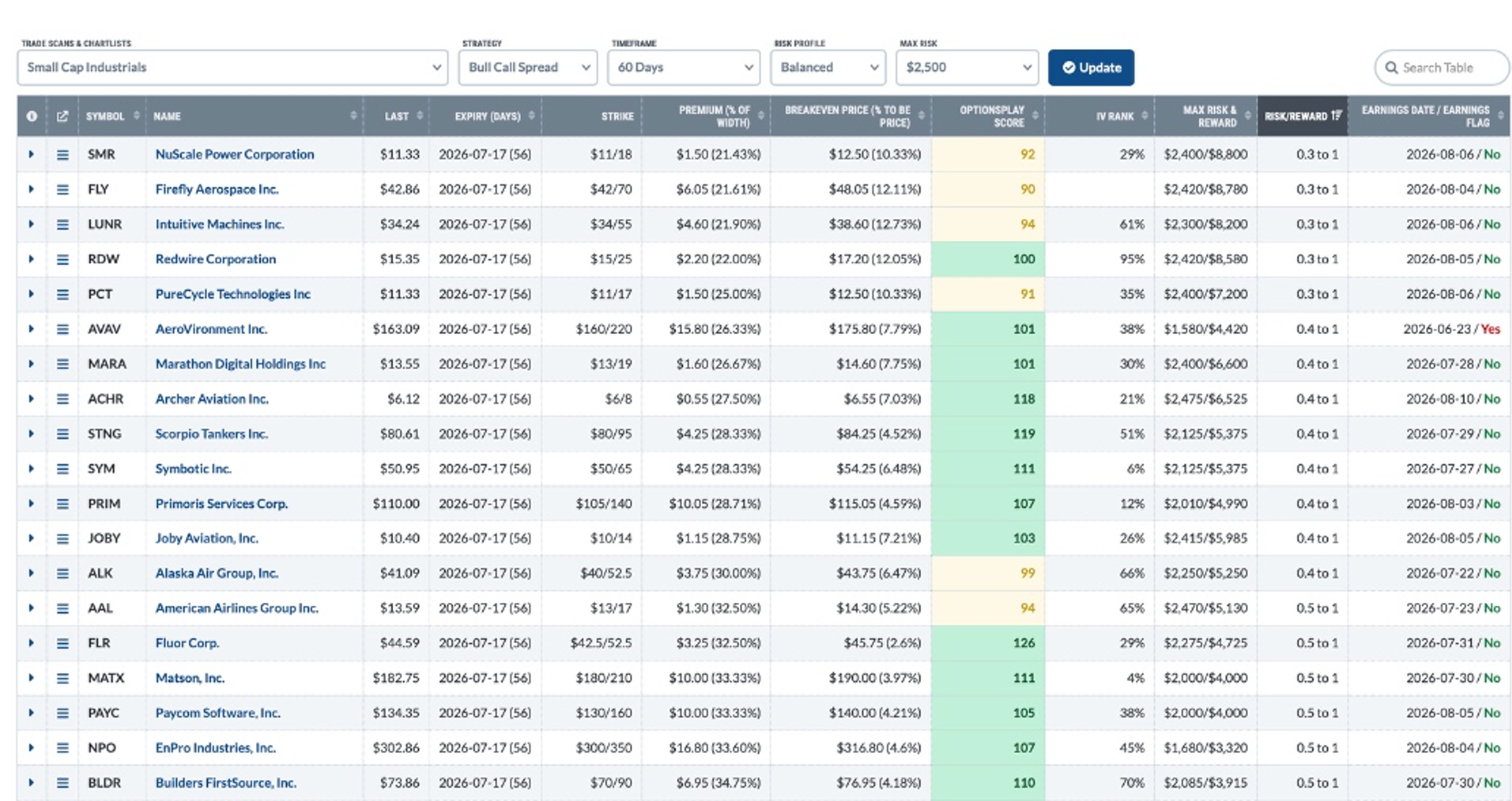
The highest‑ranked stock, LUNR, offered a clean chart, liquid options, and the best reward for the risk. The whole process took less than a minute.
Why This Works
Finding a good trade by hand can take hours and cause mental fatigue. By automating the scan, strategy selection, and ranking, you keep your mind fresh and avoid bad trades that feel like a waste of time.
Using a systematic workflow lets you focus on execution instead of endless chart‑watching.
Takeaway
Small‑cap and industrial stocks are breaking out as institutions rotate capital. With a quick screen and a defined‑risk options spread, you can capture the upside while limiting loss.
Source: Materials provided by https://articles.stockcharts.com.Note: Content may be edited for style and length.