

When I study the market, I always look at history for clues. But the current situation doesn’t match any single past period. It feels like a blend of several different eras.
The big picture looks a lot like the 1973‑74 oil shock. Higher oil prices are pushing up inflation, and people are losing confidence in leaders.
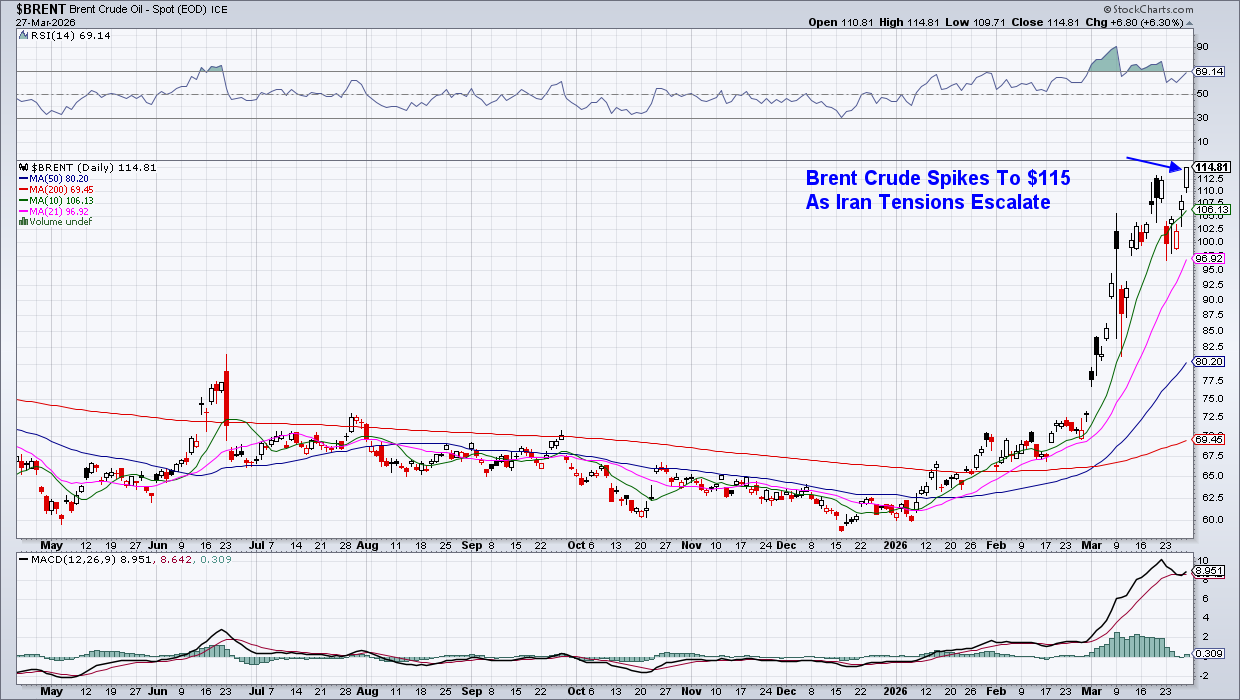
Unlike the 1970s, today’s economy can’t easily absorb higher energy costs. We depend heavily on fossil fuels, so any rise in oil prices quickly turns into higher prices for everything else. This makes today’s market behave more like the 2022 Ukraine war, where headlines and social‑media buzz move prices faster than real economic facts.
Below the surface, gold is no longer a reliable safe haven. Other odd patterns, such as a sudden fall in consumer‑staple stocks, look more like the 2008 financial crisis than a normal geopolitical sell‑off.
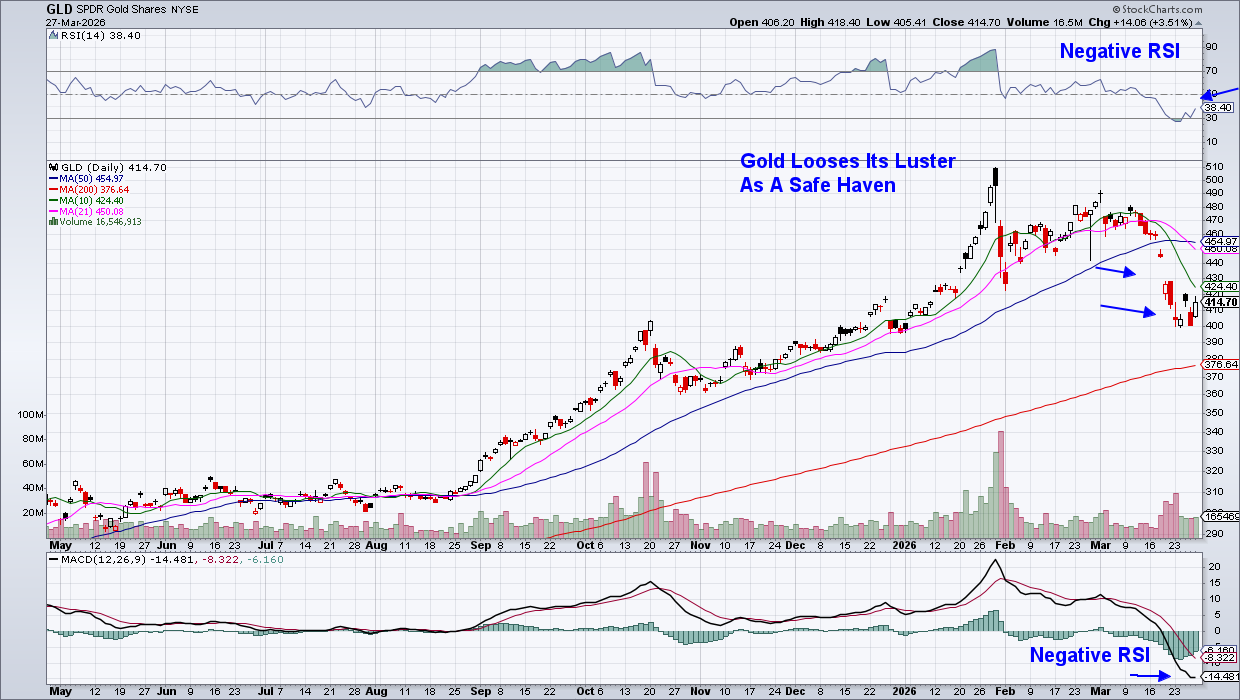
The recent dip in gold hints that institutions might be selling it to cover losses elsewhere, adding hidden stress to the system.
What makes this moment especially fragile is that many forces are hitting at once. We have 1970s‑style inflation, 2022‑style headline volatility, and early signs of 2008‑style correlation stress. All of this sits on a 2026 market dominated by expensive, long‑duration technology stocks.
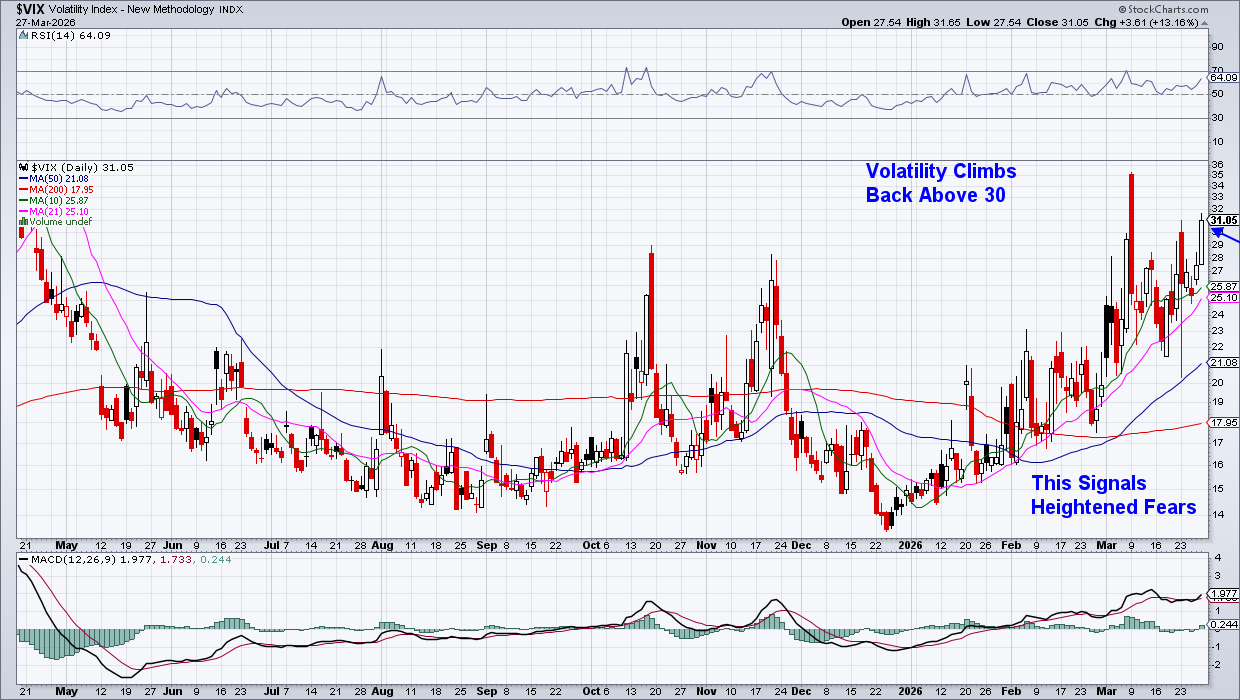
Because of this mix, the market feels very unstable and there is no simple playbook. Valuations are still high, earnings expectations are optimistic, and the market is very sensitive to interest‑rate changes and energy costs. How long the current conflict lasts will be the biggest driver of market direction.
If the conflict ends quickly—say in two to six weeks—the market could bounce back fast. Historically, markets drop 5‑10% during the initial shock, then start to recover once the worst‑case scenario is ruled out.
At the moment, we are about four weeks into the Iran war. Both the Nasdaq and the Dow have fallen more than 10%, and the S&P 500 is close behind.
Source: Materials provided by https://articles.stockcharts.com.Note: Content may be edited for style and length.