
Why Social Media Can Mislead New Traders
Scrolling through short videos, trading looks easy. Bright charts, quick wins, and fancy lifestyles dominate the feed. Even a 12‑year‑old can feel like an expert after a few minutes of watching.
Social media does teach useful ideas, but trading is a high‑risk topic. You need to know what to trust and what to ignore.
Good Influencers vs. Bad Advice
Not every financial influencer is harmful. Some share solid analysis. The problem is often the missing context. A short clip can’t cover every risk, and it rarely shows the downsides.
Neil deGrasse Tyson once said, “A great challenge of life: Knowing enough to think you are right, but not knowing enough to know you are wrong.” In trading, confidence appears before real skill.
Red Flags to Watch For
1. Only Winning Trades Appear
If a video shows only clean profits, ask where the losing trades are. No loss data means you are seeing marketing, not education.
2. No Talk About Risk Management
Good traders discuss position size, stop‑losses, and how much of the account is at risk. If these topics are missing, the method is incomplete.
3. Lifestyle Over Strategy
Luxury cars and travel pictures sell courses faster than real work. Real success needs hard effort, small wins, and occasional losses.
4. Signals Without Explanation
Being told to “buy now” without any reasoning teaches you to follow, not to understand.
5. Fear‑of‑Missing‑Out Pressure
Urgent messages like “don’t miss this move” push you to act without analysis. This usually leads to bad choices.
6. Hidden Affiliate Links
Many coaches earn most of their money from referrals, courses, or subscriptions, not from trading profits.
7. Encouraging Overtrading
Constant buying feels exciting but quickly becomes gambling. A solid plan limits the number of trades and the amount risked per trade.
A Real‑World Example: A Kid’s Hammer Trade
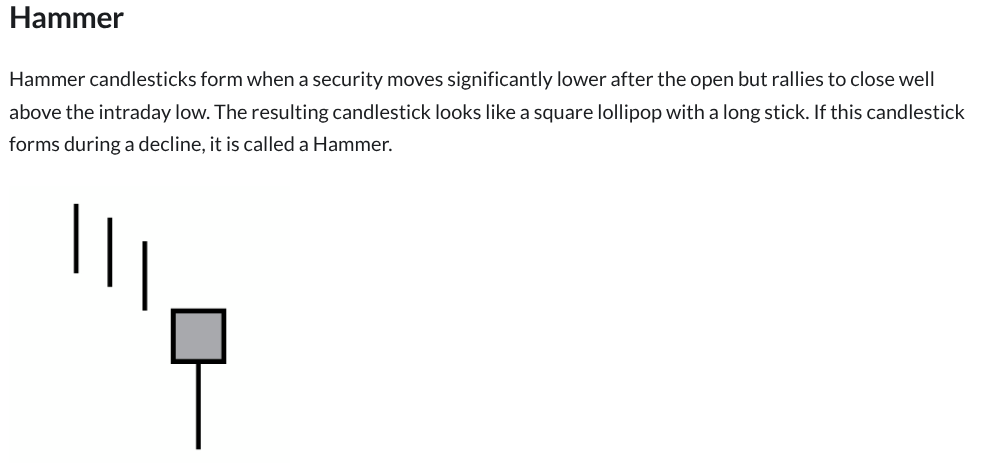
My 12‑year‑old son learned candlestick shapes on TikTok. He loved the hammer pattern and tried it on a Bitcoin chart.
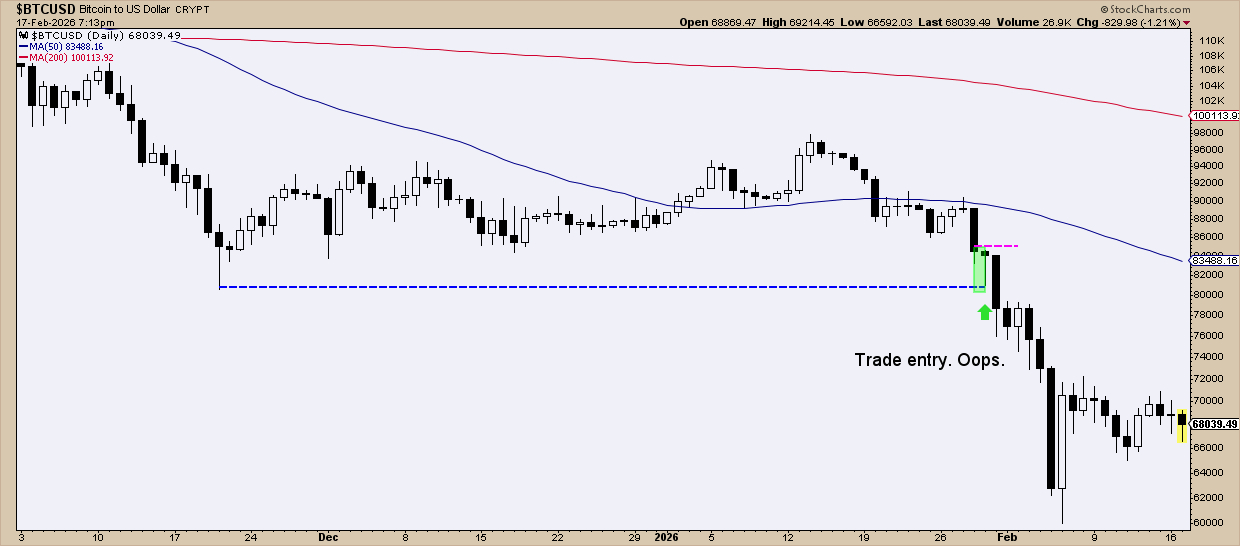
He opened a demo account, bought almost the whole balance on one trade, and skipped a stop‑loss. He didn’t notice that Bitcoin was below its 50‑day and 200‑day moving averages and that the market was in a risk‑off mood.
The trade looked good on paper, but the lack of proper sizing and risk control made it a poor decision. Real money would have cost him far more.
Takeaway
You can learn from influencers, but never rely on them alone. Build your own process, study charts yourself, and always manage risk. Confidence without knowledge becomes expensive fast.
Source: Materials provided by https://articles.stockcharts.com.Note: Content may be edited for style and length.