
Investors are asking a simple question: Can companies that use artificial intelligence keep growing if the Federal Reserve keeps interest rates higher for a long time? The answer depends on two main ideas – the cost of borrowing money and how fast company profits are growing.
When rates go up, the price we pay to borrow money rises. This can make it harder for fast‑growing tech companies to stay expensive in the market. But if those companies keep showing strong profit growth, the higher rates matter less.

Earlier this year, Treasury yields – the interest rates on U.S. government bonds – went up in March. That made investors wonder if the fast spending on AI was realistic. The fear caused a quick drop in many AI‑focused stocks, especially those tied to chips and data centers.
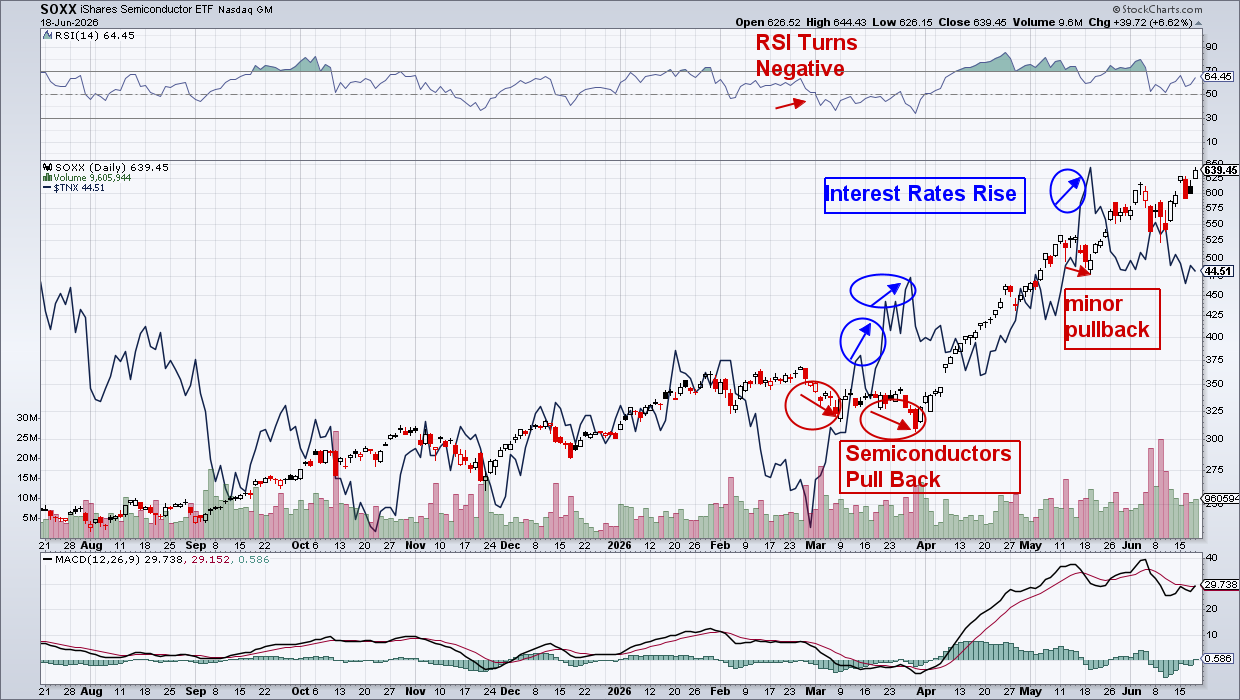
The slide wasn’t only about higher rates. It was also about worries that growth expectations might have been too hopeful. If investors still see ways for AI to grow, the sector can stay strong. In May, the same index fell less even though rates were still climbing, showing that confidence in AI spending helped.
During May 2026, big deals for AI hardware, cloud services, and enterprise software dominated the market. Companies were buying massive computing power and building new distribution channels. Those moves kept the top AI stocks performing well.
But if AI spending slows while rates stay high, stock prices could feel more pressure.
Three Things to Watch
To understand where AI stocks might go, keep an eye on three simple signals.
1. Treasury yields. The 10‑year yield is a key barometer for growth stocks. A steady rise can squeeze technology shares.
2. AI spending trends. Ongoing purchases by cloud providers and large businesses keep demand alive for chips, memory, networking gear, and data‑center equipment.
3. Earnings revisions. The most important sign is whether analysts keep raising profit forecasts. Higher earnings can protect stocks even when rates are high.
In short, just higher rates don’t end a bull market. Markets usually wobble when investors cut their future growth expectations.
Why the Fed Chair’s Words Matter
The biggest change from the new Fed chair isn’t a higher rate level, but the loss of clear forward guidance. When the Fed says it will act based on data, investors get less certainty about future moves. This uncertainty can cause more market swings after each new economic report.
Staying aware of Treasury yields, AI spending, and earnings updates can help investors navigate the ups and downs that come with a more data‑driven Federal Reserve.
Source: Materials provided by https://articles.stockcharts.com.Note: Content may be edited for style and length.