


Oil prices stay high, the Strait of Hormuz remains closed, and inflation numbers are hotter than expected. Even with these worries, the stock market keeps climbing.
Companies are still posting strong quarterly earnings and spending a lot on artificial intelligence. That spending is helping the rally stay strong.
Watch Commodity Prices
It isn’t just oil that is rising. Prices for wheat and corn are also going up, which could push food costs higher soon.
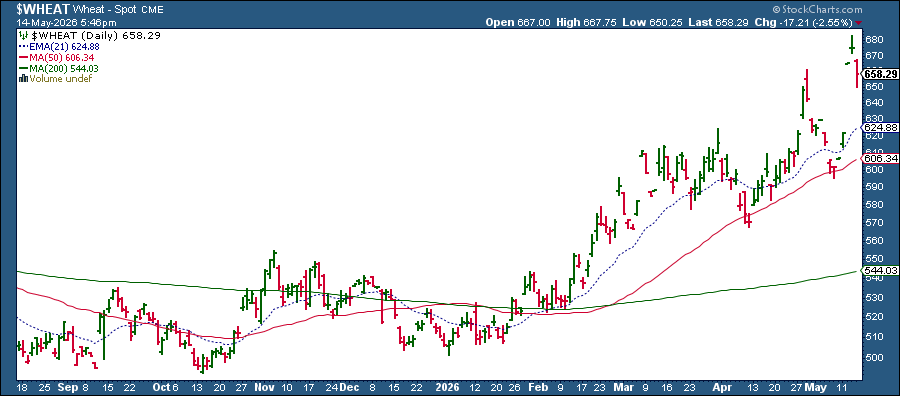
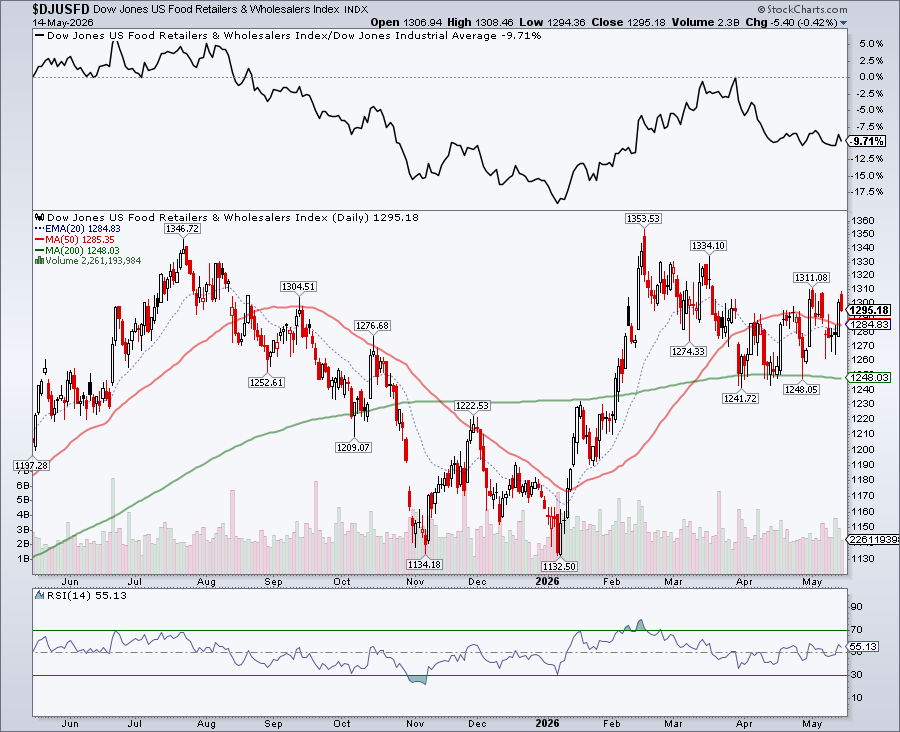
Higher food‑price commodities can affect food‑related stocks. Looking at the U.S. food sector shows three groups: food & beverage makers, food retailers & wholesalers, and restaurants & bars.
Food products and restaurants are lagging behind the S&P 500, while food retailers are holding up a bit better but still not beating the broad market.
Higher Rates Add Pressure
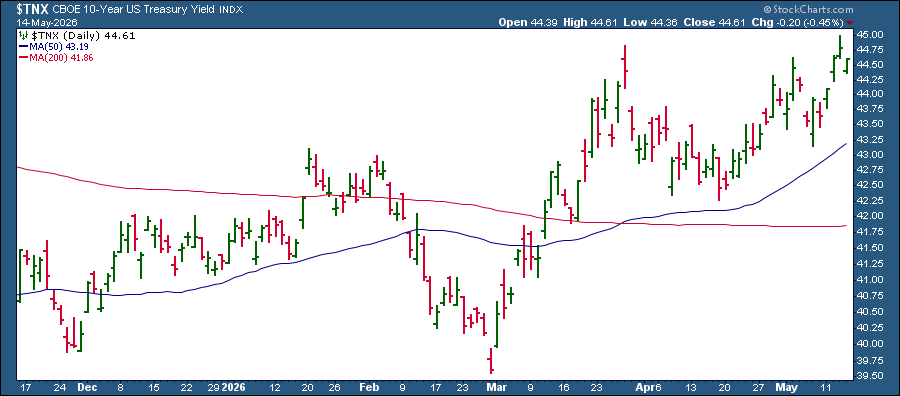
Rising inflation makes a Federal Reserve rate cut unlikely. The 10‑year Treasury yield is near 4.5%, a level not seen since mid‑2025.
Higher rates usually hurt growth stocks, but so far AI‑driven growth stocks keep climbing.
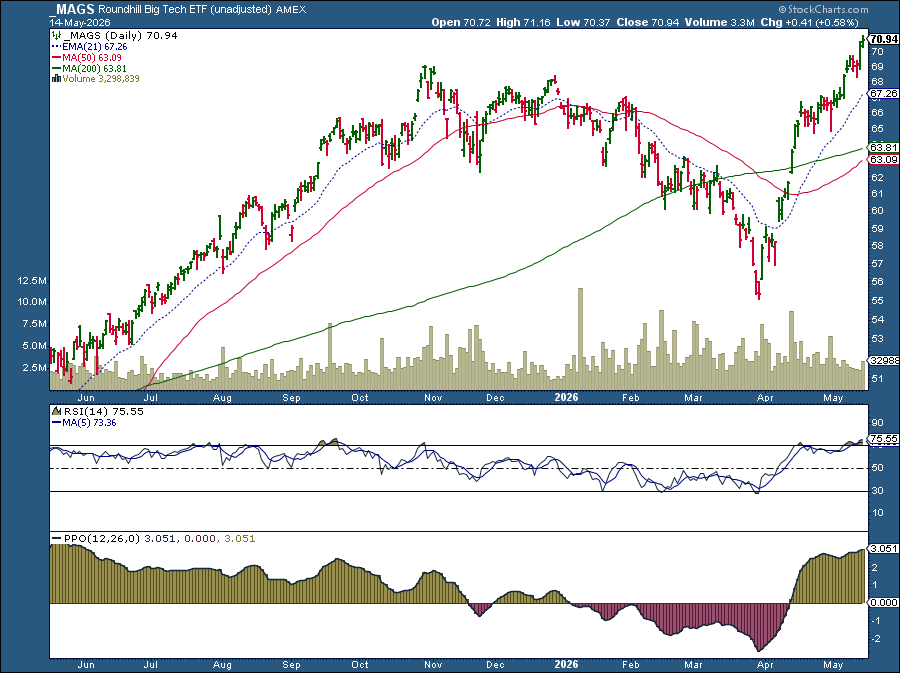
Even without big moves from Microsoft or Meta, the ETF stays on the rise thanks to solid momentum indicators.
Market Breadth Signals Need Caution
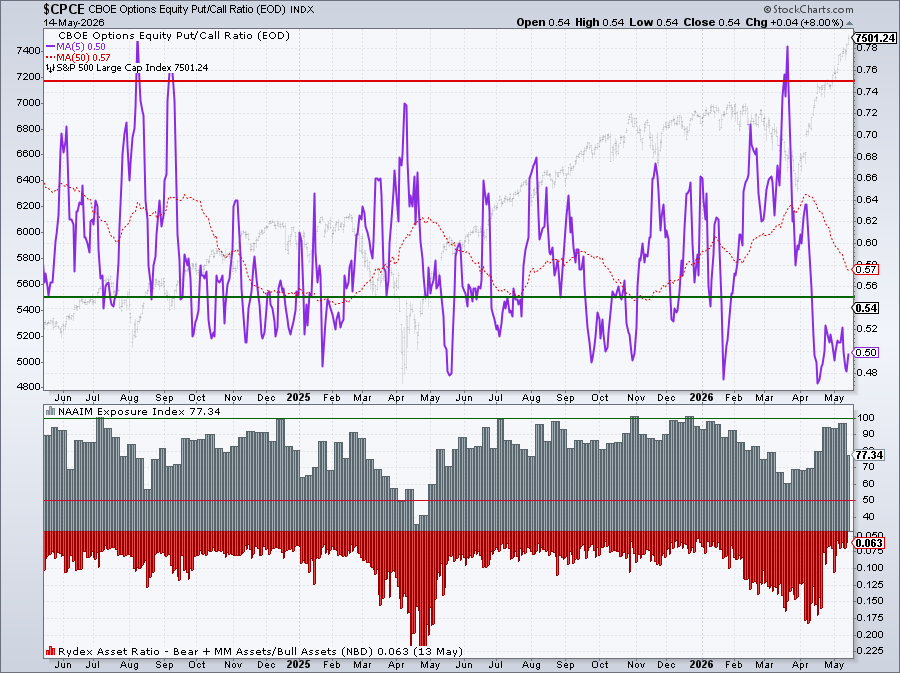
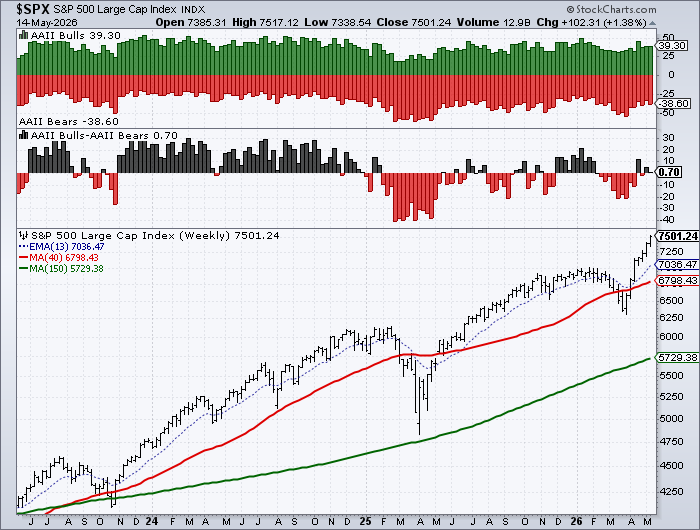
When the market makes new highs, it’s important to see if many stocks are joining the rally. Right now, fewer than half of the S&P 500 stocks sit above key moving averages, and the Nasdaq’s new‑highs count isn’t strong enough to fully back the climb.
AI Remains the Main Driver
AI spending is still the biggest story. Companies are building more data centers and buying more chips. The “Mag 7” stocks are back in the spotlight, and new players like SanDisk, Micron, and Intel are adding fuel.
Next week, NVIDIA’s earnings could give another boost if the results beat expectations.
What Could Slow the Rally?
If Treasury yields keep rising, growth stocks may finally feel the pressure and start to fall. At the same time, higher food prices could tighten consumer budgets.
Watch three things closely: commodity prices, Treasury yields, and market breadth. If any of these start to weaken, the market could turn lower.
Disclaimer: This article is for educational purposes only and does not constitute financial advice.
Source: Materials provided by https://articles.stockcharts.com.Note: Content may be edited for style and length.