
On Thursday, President Donald Trump signaled his intention to overturn a pivotal environmental regulation first adopted during the Obama administration. The move, announced by White House spokesperson Karoline Leavitt, would eliminate the EPA’s 2009 “Endangerment Finding,” a scientific declaration that six greenhouse gases pose a threat to public health and form the legal basis for numerous climate‑related rules.
Leavitt called the action "the biggest deregulation effort in American history," arguing it would lower costs for consumers and businesses. Critics, however, see it as a dangerous step backward for climate protection.
Why the Rule Matters
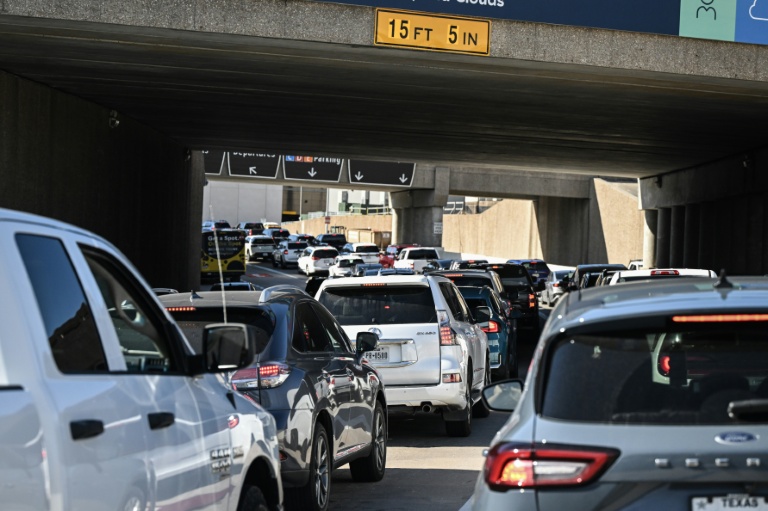
The Endangerment Finding required the EPA to treat carbon dioxide, methane and other gases as regulated pollutants. This classification paved the way for standards on vehicle emissions, power‑plant output, and a host of other sources of carbon. Repealing the finding would effectively strip those limits, allowing manufacturers to produce higher‑emitting cars and giving the administration leeway to relax rules on coal‑fired plants.
Environmental Backlash
Scientists and environmental groups slammed the decision, calling it illegal and contrary to overwhelming scientific evidence. Dan Becker of the Center for Biological Diversity warned that the move would trap the nation in a cycle of "dirty oil and polluted air." California Governor Gavin Newsom, alongside Wisconsin Governor Tony Evers, condemned the repeal as a denial of reality and pledged to keep fighting for clean air.
Legal Fight Expected
Legal experts predict a wave of lawsuits, potentially reaching the Supreme Court. The NRDC’s president, Manish Bapna, said the organization is ready to challenge the rollback in court, emphasizing that the original EPA decision was itself grounded in solid science.
Broader Context
The proposed repeal comes at a time when 2025 is shaping up to be one of the hottest years on record. Across the globe, climate action has stalled due to insufficient investment in low‑carbon technologies, and the United States—still the world’s top historical emitter—faces mounting pressure to stay on course.