
Semiconductors vs Software: Who Leads the Tech Market Battle
The technology sector is currently defined by a tug‑of‑war between two powerhouse groups: chip makers that produce the silicon backbone of modern devices, and software developers who turn that hardware into usable, profit‑generating applications. While both sides claim they are the primary engine of growth, their strategies, risk profiles, and market impacts differ dramatically.
On the semiconductor side, demand spikes whenever new consumer gadgets, data‑center expansions, or automotive electrification projects are announced. Companies that can scale production quickly and maintain tight margins tend to outpace rivals, especially when they secure long‑term supply contracts with major OEMs. However, the industry is also vulnerable to supply chain disruptions, geopolitical tensions, and rapid technology cycles that can render a fab obsolete within a few years.
Software firms, in contrast, thrive on recurring revenue models, subscription services, and the ability to monetize data analytics. Their growth is less dependent on physical inventories and more on user adoption, platform ecosystems, and strategic acquisitions. Yet, they face challenges such as regulatory scrutiny, cybersecurity threats, and the constant pressure to innovate in a crowded marketplace.
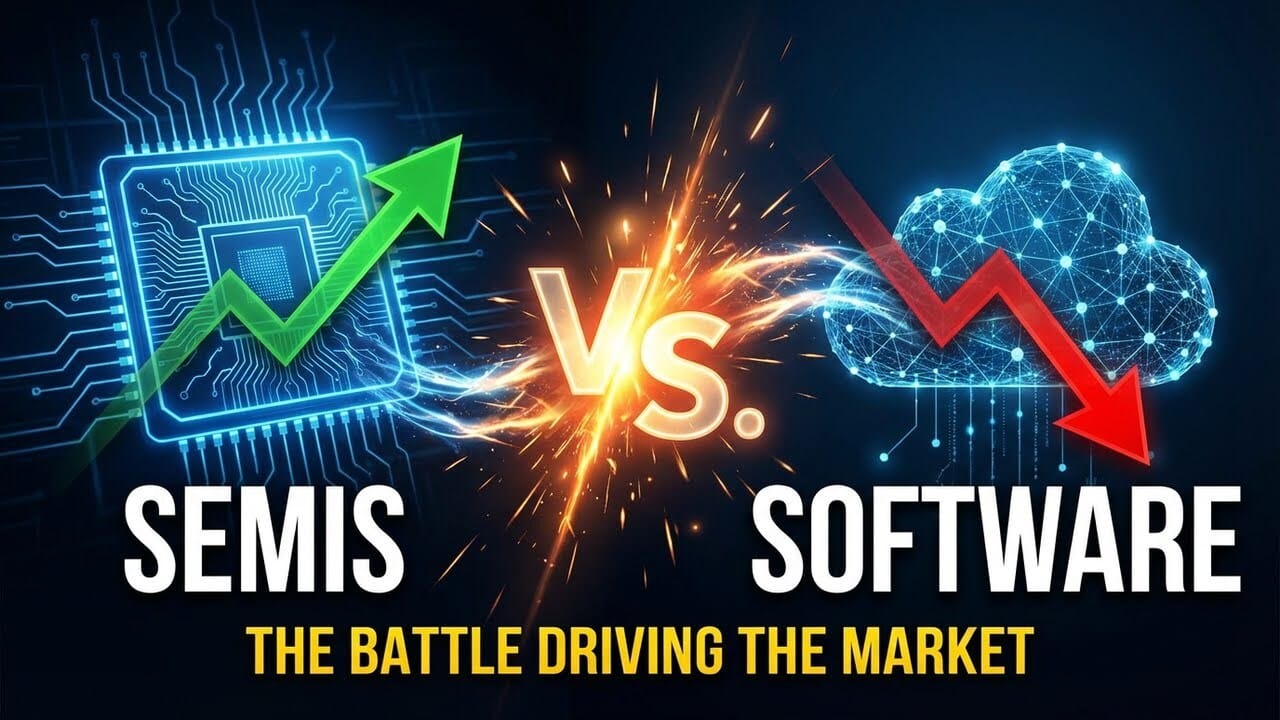
Investors often weigh these dynamics by looking at valuation multiples, earnings consistency, and the broader macro environment. A rising interest‑rate climate can penalize capital‑intensive chip makers more than software companies, which typically enjoy higher cash flows and lower debt levels. Conversely, a surge in government spending on infrastructure and 5G rollout can provide a substantial tailwind for semiconductor producers.
Ultimately, the battle is less about choosing a single winner and more about understanding how the two sectors complement each other. Diversified portfolios that balance both semiconductor exposure and high‑growth software positions often capture the upside of technological advancement while cushioning against sector‑specific headwinds.
By monitoring key indicators—such as wafer fab utilization rates, software subscription renewal percentages, and global chip inventory levels—investors can better anticipate which side of the rivalry is poised to lead the next market rally.
Source: Materials provided by https://articles.stockcharts.com.Note: Content may be edited for style and length.