
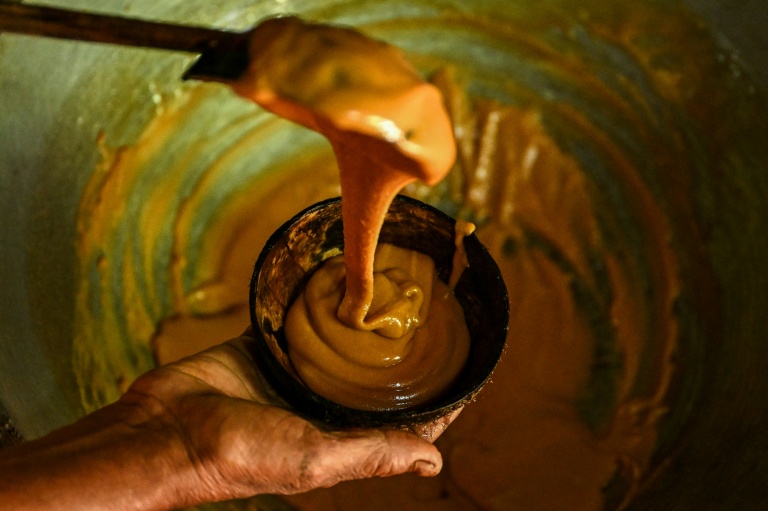
After a decade working abroad as a mechanic, Sarath Ananda returned to his native village of Ambegoda to revive his family’s kithul palm‑sugar craft. He expected a modest living, yet the UNESCO inscription of kithul sap‑tapping as an intangible cultural heritage turned his modest operation into an international curiosity.
At 63, Sarath climbs the towering Caryota urens—commonly called the kithul palm—twice a day, coaxing sweet, amber‑coloured sap from the trunk. The raw juice can sweeten desserts right away, but when boiled it produces a low‑glucose palm sugar prized for its gentle caramel notes.
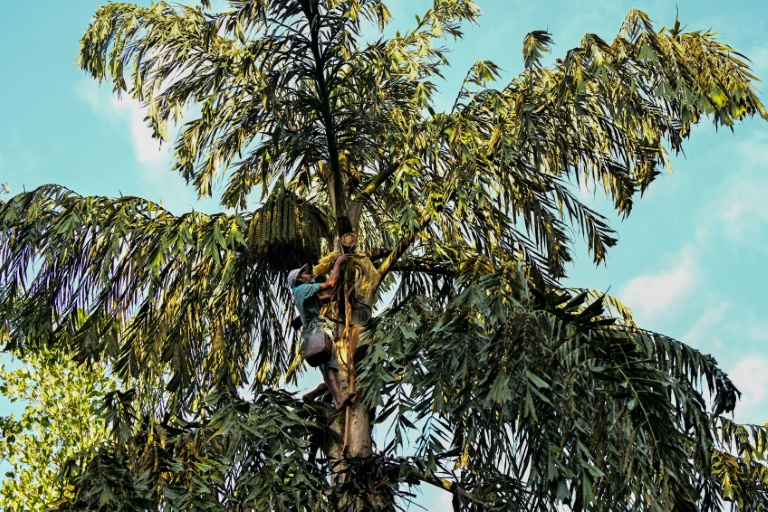
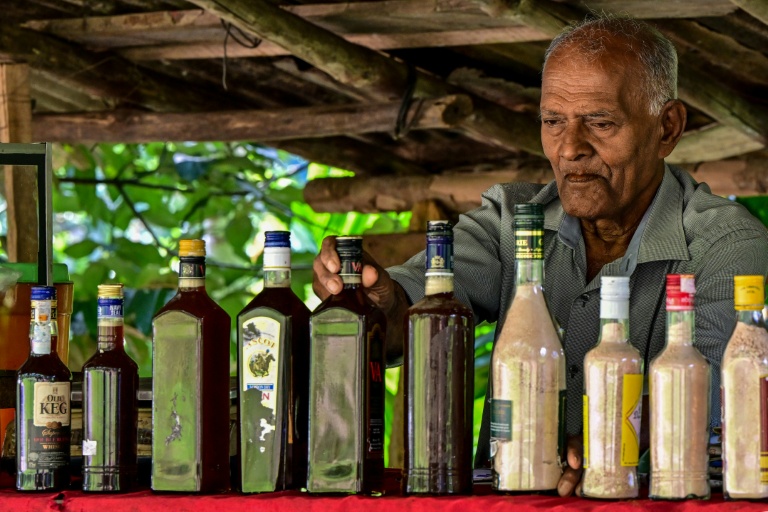
If the sap isn’t boiled promptly, it ferments into “kithul toddy,” a traditional alcoholic brew that fills the gap left by imported arak. From his five palms, Sarath draws up to 200 liters of sap daily—far short of the cravings of enthusiasts across Sri Lanka and abroad.
Meeting Demand
To bridge the gap, Sarath built a cooperative of 55 fellow harvesters. Their collective output now reaches markets in Australia, the United Kingdom, New Zealand and the Middle East.
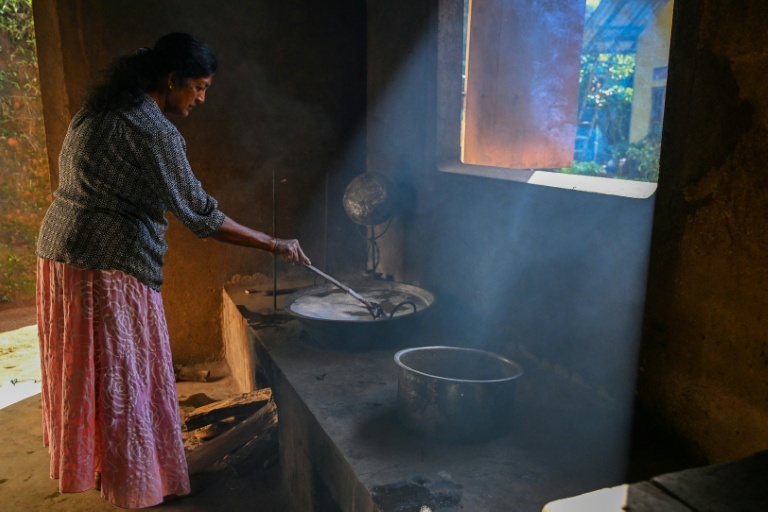
His wife, Padma Nandani, oversees the transformation of raw sap into crystal‑like palm sugar. She warns that counterfeit products, often laced with cheaper sugar, are flooding the market, undermining the premium price that pure kithul commands.
Both spouses stress another hurdle: scaling production while preserving the painstaking tapping technique, which is disappearing as younger generations gravitate toward modern careers.
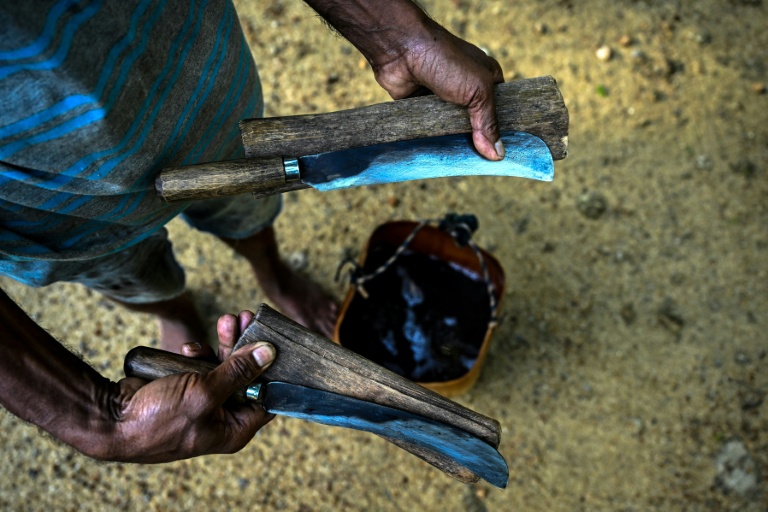
The UNESCO label not only highlighted the craft but also reinforced its role as a cultural anchor linking people to the forest. The Sri Lankan Kithul Development Board (KDB) has already funded training for more than 1 300 growers, hoping to safeguard the practice for future generations.
While kithul palms thrive throughout South‑East Asia, the UNESCO‑certified method remains unique to Sri Lanka, giving the island a distinct niche in the global natural‑sweetener market.
Despite the impressive cultural revival, the sector’s economics are modest—export revenues hover around a single million dollars annually. Yet experts argue the untapped potential is vast; less than half of Sri Lanka’s kithul palms are currently harvested, leaving ample room for growth without compromising sustainability.