
Facing a deepening electricity shortage, many Havana neighborhoods are resorting to makeshift solutions. Some families stock up on charcoal, while others, if they can afford it, invest in solar panels.
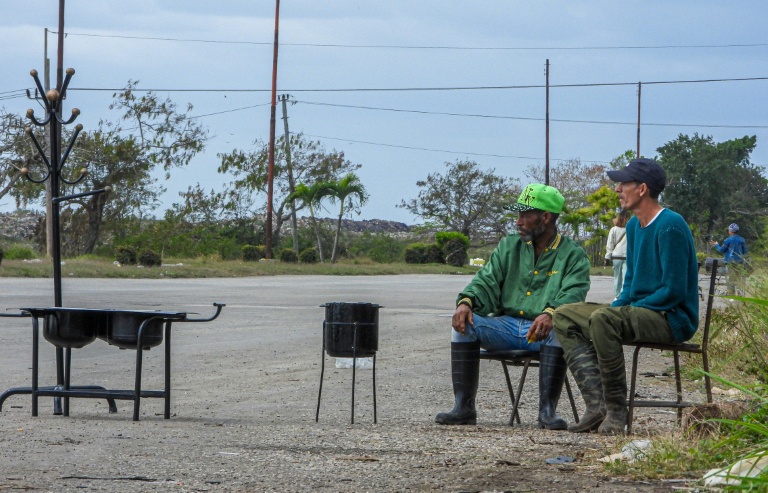
On a peripheral road of the capital, street vendors line the tarmac offering bags of charcoal and even improvised braziers crafted from old washing‑machine drums.
"The situation has become even harder," says a mother who prefers to stay anonymous, holding a 2,600‑peso (about $5.25) sack of charcoal—roughly half the average Cuban wage.
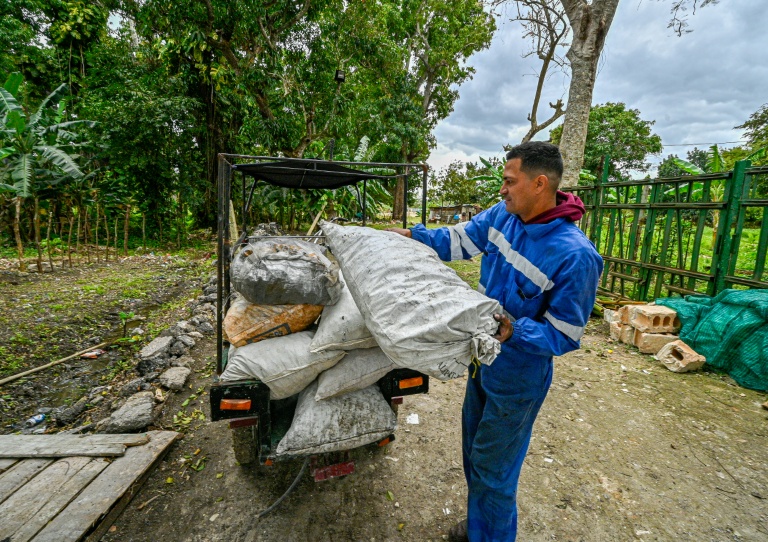
The woman, a single mother, explains that her earnings are insufficient to buy a generator or a lithium battery to survive long blackouts. "Charcoal is the only affordable option," she says while loading a sack onto her electric motorcycle.
Charcoal seller Yurisnel Agosto, 36, admits he has never sold so much. Previously his main clients were pizzerias and grill houses, but today households are the primary buyers.
"People come and buy three or four bags to prepare for the next outage," he notes, reminding that the nation also suffers from a severe gas‑bottle shortage.
Over the past six years, Cuba’s economy has deteriorated sharply, marked by chronic shortages, rolling electricity cuts, and fuel scarcities that have intensified during the last two years. The U.S. embargo, in place for more than six decades, now tightens the island’s energy access even further.
Desperate Adaptations
Many Cubans recall the "Special Period" after the Soviet Union collapsed in 1991, a time of extreme scarcity that forced them to re‑engineer daily life. The recent capture of Venezuelan President Nicolás Maduro—once a key oil supplier—has sounded a fresh alarm for an island already struggling to meet half its electricity demand.
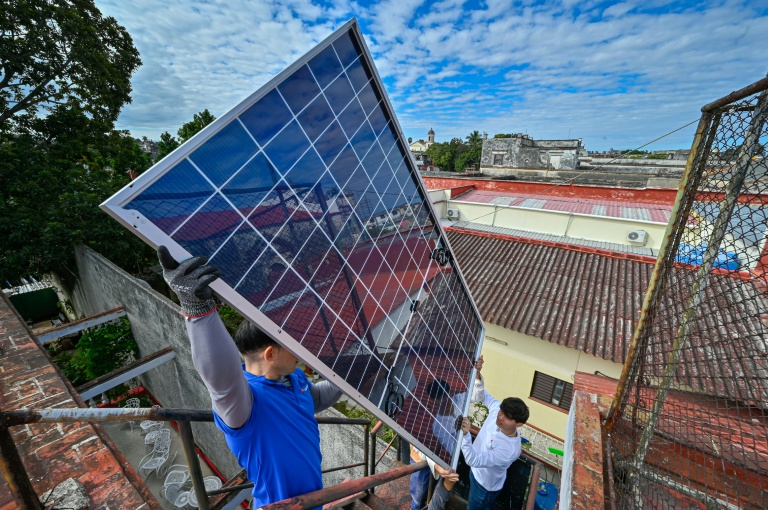
Wealthier households are now turning to photovoltaic systems. Since 2024, solar‑installation firms have multiplied, helped by new import licences granted by the Cuban government.
Orley Estrada, a 30‑year‑old team leader, works almost non‑stop—fielding calls, drafting quotes, and coordinating a crew of twenty technicians, even on weekends.
"I’ve barely slept in the past two weeks," he admits. "Sometimes I’m back home at 1 a.m. and the phone never stops ringing."
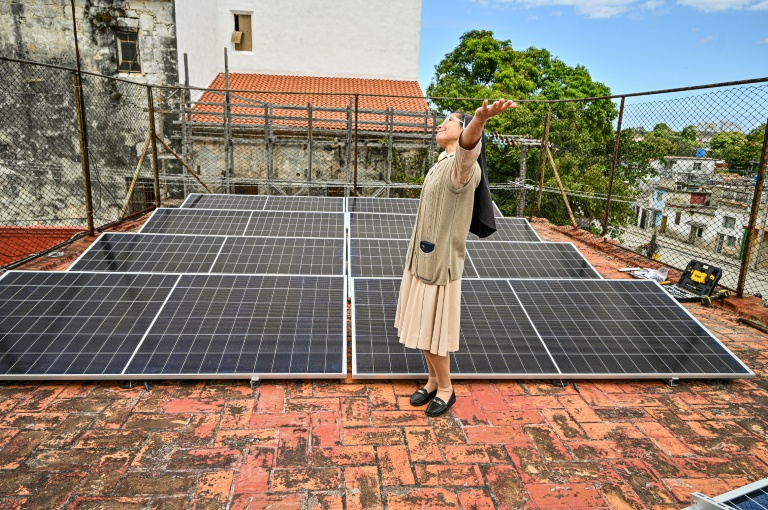
In the eastern Havana district of Guanabacoa, Estrada’s crew is installing a dozen solar panels on the roof of a Catholic‑run senior‑care kitchen. The new system will let the facility prepare meals for roughly 80 vulnerable elders without relying on the unreliable grid.
Even the smallest solar package offered by Reinier Hernández’s company costs about $2,000—a price tag far beyond the reach of most Cubans.