
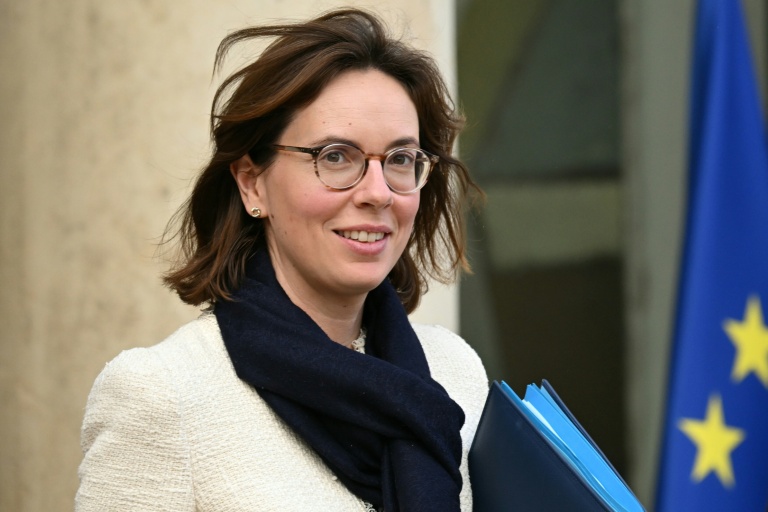
On Wednesday, the French government announced that Amélie de Montchalin will assume the role of President of the Cour des comptes on 23 February, making her the first woman ever to head the historic institution.
The decision ignited sharp criticism from opposition parties ranging from the left‑wing LFI to the far‑right RN. Critics argue that a former minister who helped draft the state budget may struggle to impartially assess the same fiscal policies she once promoted.
Government spokesperson Maud Bregeon defended the appointment, stressing that the Court’s collegial decision‑making structure safeguards its independence and that no conflict of interest exists.
“Amélie de Montchalin possesses the expertise needed for this demanding post,” Bregeon said. “Her performance during parliamentary debates demonstrates that a political background does not preclude a credible audit function.”
The appointment also marks a milestone for gender representation in France’s public institutions, as the Court of Auditors, founded over two centuries ago, has never before been led by a woman.
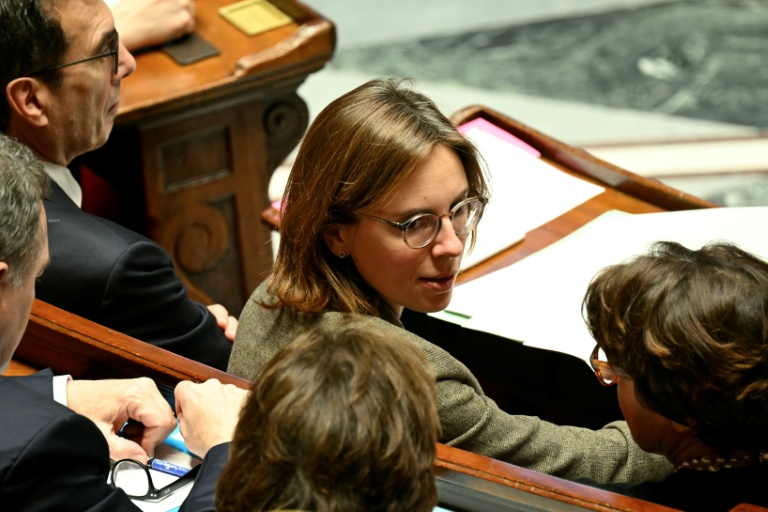
Unlike other senior appointments, the President of the Court does not require parliamentary approval. Historically, since the Sarkozy era, presidents were typically drawn from the opposition, a practice now broken by this political nomination.
LFI finance committee chair Éric Coquerel questioned how Montchalin could objectively evaluate a budget she herself helped craft, recalling months of heated exchanges over the 2026 finance bill.
Opposition leaders also accused President Macron of positioning loyalists in key institutions as his term draws to a close, with Marine Le Pen suggesting the move threatens democratic alternation.
Montchalin, 40, will serve until she reaches the mandatory retirement age of 68, a tenure that some view as unusually long for a first‑time president.
Emerging from the Macron‑centrist camp, she entered Parliament in 2017, joined Édouard Philippe’s second government in 2019, and returned to the spotlight in late 2024 under François Bayrou’s guidance. Her technical acumen and firm yet didactic style have earned praise from allies and opponents alike.